
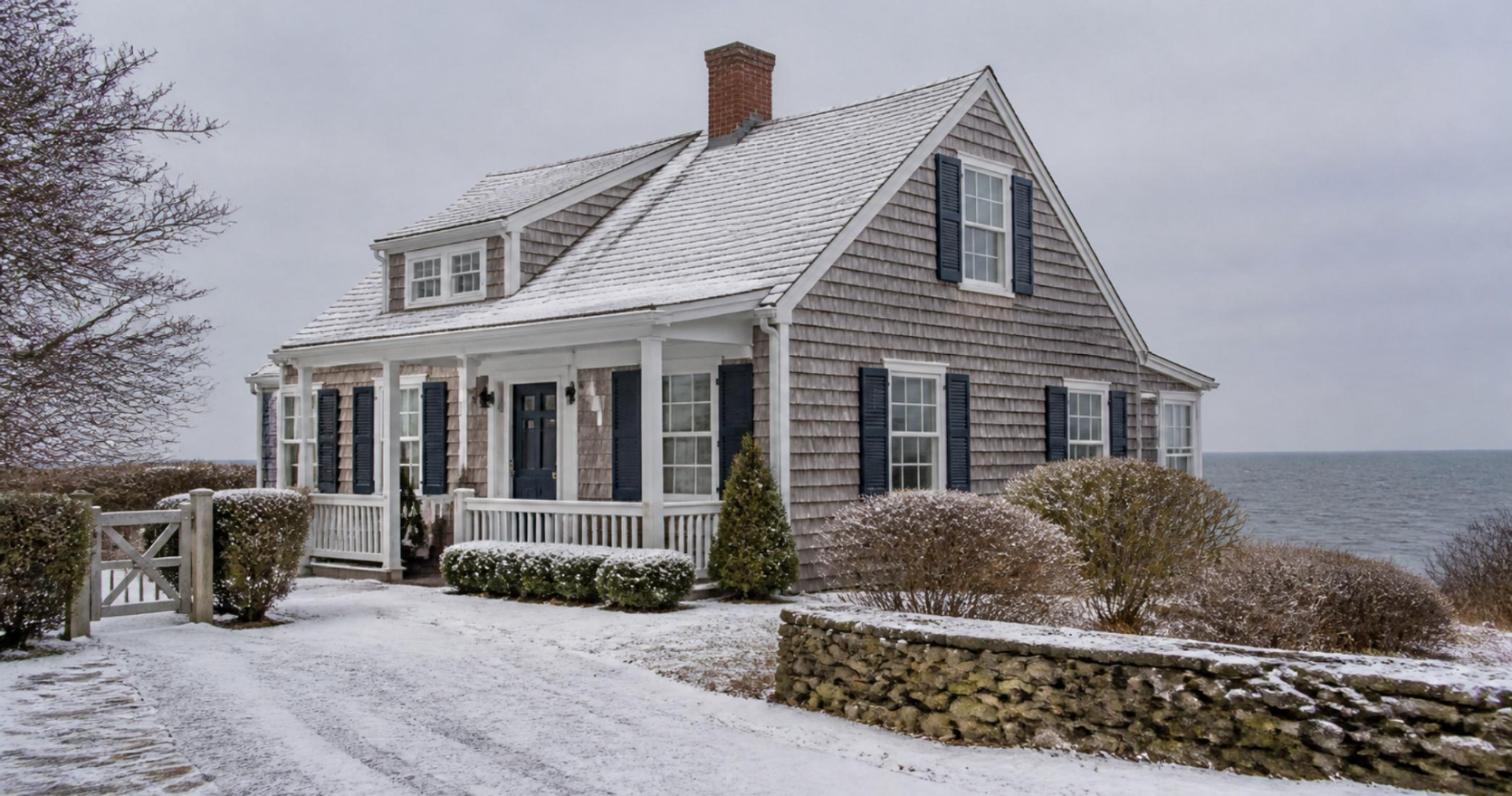
Many second-home owners on the Connecticut shoreline spend summers in Old Lyme, Westbrook, Niantic, or Stonington, then head south or back to the city for the rest of the year. The home they leave behind faces nor'easters, freezing temperatures, power outages, and the quiet risks that come with an empty house. A burst pipe, failed furnace, or roof leak can go unnoticed for weeks and turn a small problem into a major insurance claim.
That's where home watch services come in.
Key Takeaways
- Home watch provides scheduled visual inspections of an unoccupied home to catch problems early.
- Shoreline homes face specific risks, including frozen pipes, storm damage, power loss, and moisture.
- Regular, documented visits may support insurance requirements for vacant or seasonal homes.
- A good provider coordinates repairs when issues are found.
What Is Home Watch?
Home watch is a service for unoccupied homes. A trained inspector visits on a set schedule, checks the inside and outside of the property, and reports what they find, usually with photos. It's not a cleaning or caretaker service. The focus is spotting problems early and making sure they get addressed quickly.
What a Typical Visit Covers
- Interior: signs of leaks, water stains, mold, or musty odors; running toilets and dripping faucets; thermostat settings; and evidence of pests
- Systems: heat running properly, power on, sump pump operating, and security system armed
- Exterior: storm damage, downed limbs, roof and gutter issues, doors and windows secured, and signs of forced entry
- After storms: extra visits following nor'easters, hurricanes, or major snow events
- Simple tasks: flushing toilets, running water to keep traps filled, and collecting packages or flyers
Why the Shoreline Needs Extra Attention
Coastal homes take more punishment than inland properties. Salt air corrodes exterior components, wind-driven rain finds its way through weak spots, and winter outages can quickly leave a vacant home without heat. Many seasonal homes are also older, with plumbing and heating systems more vulnerable to freezing. Regular visits shrink the window between a problem starting and someone noticing it.
Insurance Considerations
Many homeowner policies include vacancy or unoccupancy provisions that can limit coverage if a home is left empty for an extended period without someone checking it. Review your policy with your agent. Documented home watch visits may help you meet these requirements and support a claim if something does happen.
Home Watch vs. Renting the Home
Some owners prefer to keep the home private while they're away. Others rent it part of the year as a vacation rental or to mid-term tenants, which offsets costs and keeps the home occupied. PMI Southeast CT offers all three options, so you can choose what fits your lifestyle.
How PMI Southeast CT Helps
Our home watch service provides scheduled, documented inspections for second homes across Southeastern Connecticut. When we find an issue, we coordinate trusted maintenance vendors so you don't have to manage repairs from out of state.
Frequently Asked Questions
How often should a vacant home be checked?
It depends on the season, the home's systems, and your insurance requirements. Many owners choose weekly or biweekly visits in winter.
Will I receive reports?
Yes. Each visit is documented so you know the condition of your home.
Leave With Peace of Mind
Call PMI Southeast CT at 860-451-9101 or contact us to set up home watch for your shoreline property.
